Litz Wire
Backed by Decades of Experience
Reducing AC Losses in High-Frequency Applications
Litz wire consists of multiple enamel-coated strands that are twisted in small bundles up to a maximum size dictated by the wire's operating frequency, which are then twisted together in groups of 5, 4, or 3. This design allows more of the conductor's total area to carry electrical current effectively.
Litz wire provides exceptional performance in applications like electric vehicle charging stations, switch-mode power supplies, induction heating, solar inverters, linear motors and motion control, and medical power supplies. Industries that use our Litz wires include automotive, medical, military, and aerospace.
The Case for Litz Wire
The major benefits to Litz wire are that it reduces skin effect and proximity effect losses allowing for more efficient operation and less heat generation in high frequency applications.
- Increases efficiency
- Reduces AC power losses
- Lowers operating temperatures
- Reduces eddy current losses
- High flexibility for transformers, motors, wireless charging
- Avoids "hot spots"
Types of Litz Wire

Triple-Insulated
In the 1990s, Rubadue Wire created its groundbreaking triple-insulated wire (TIW) and started in-house manufacturing of Litz wire conductors when it acquired Kerrigan-Lewis in 2015. Used in high-frequency switch mode power supplies and compact transformers, TIW enables denser winding configurations and smaller dimensions.

Tape-Wrapped
Tape-wrapped Litz wire includes spirally-wrapped PET or polyimide insulations applied in one or two layers. Polyimide tape-wrapped Litz wires can withstand temperatures up to 240°C, and have higher voltage capabilities and breakdown voltages than Bare / Served Litz wires.

Served
Served Litz wire includes one or two overall textile layers of spirally applied textile yarns. The serve layer(s) provide enhanced mechanical protection and improved dimensional consistency for the wire bundle.

Bare
Bare Litz wire, without any overall external covering, allows for the smallest possible diameters and turn-to-turn insulation. Its primary applications include linear motors, power filtration systems, and low-voltage windings.
Selecting the Right Litz Wire for Your Application
Selecting the right type of Litz wire among triple-insulated, taped, bare, and served options requires weighing several factors: voltage and insulation requirements for safety compliance, mechanical durability, and the space available for winding.
Triple-Insulated Wire
Choose triple-insulated Litz where you need elevated operating voltages, compact design, safety certifications, and enhanced insulation protection. It's particularly suitable when working with tight space constraints while maintaining high reliability.
Tape-Wrapped Litz Wire
Choose taped Litz wire when you need increased operating voltage over bare or served Litz wire and/or thinner insulation walls and smaller diameters on large diameter Litz wires.
Served Litz Wire
Choose served Litz wire when you require protection against mechanical damage and abrasion, need to maintain the bundle's shape, and want flexibility during high-speed winding or demanding installation conditions.
Bare Litz Wire
Choose bare Litz wire when you need the smallest diameter possible and can achieve required insulation levels via tapes, creepage and clearance distances, and/or insulations present on other components (i.e. triple-insulated wires).
Markets
Industries We Serve
Automotive
High-Frequency Performance for EV Systems
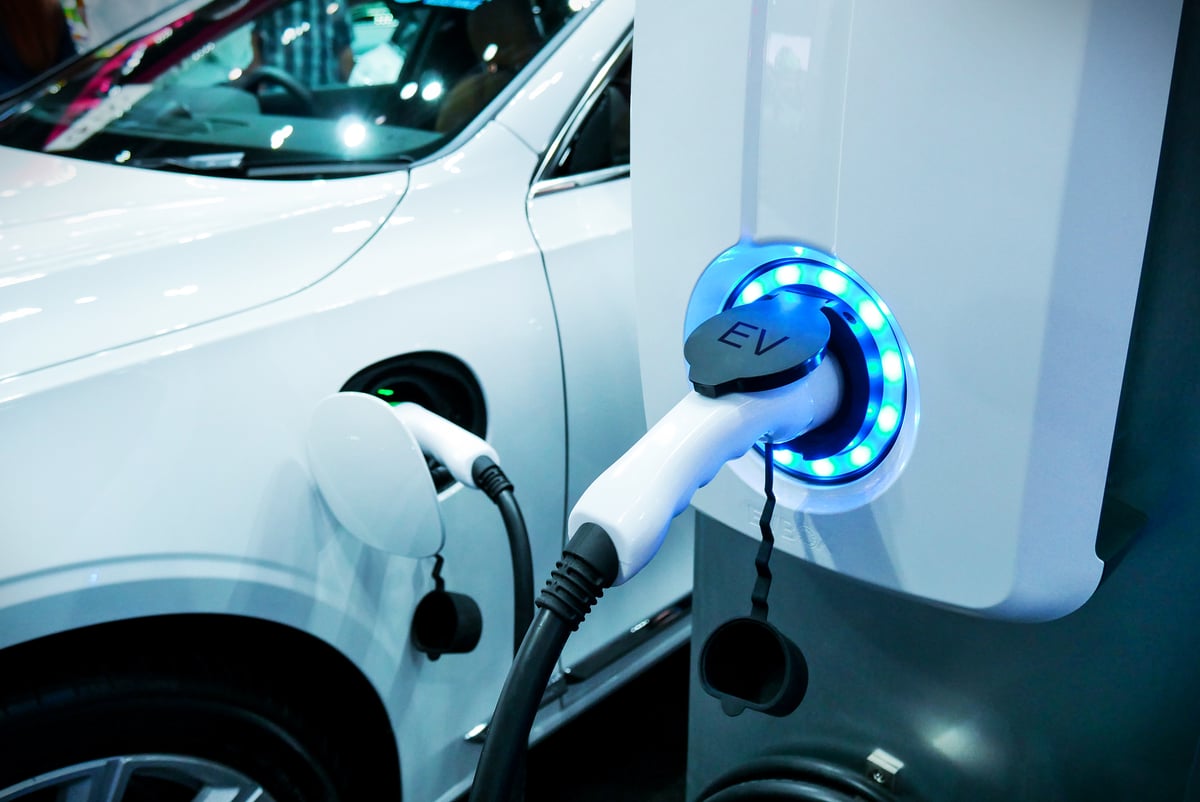
Rubadue creates and manufactures cutting-edge solutions for leading global electric vehicle manufacturers. Our Litz wires support everything from onboard charging systems to fast-charging power supplies and controls, delivering the efficiency, durability, and reliability that modern electric vehicles demand.
View ProductsEngineer Tools
Start Your Litz Wire Design With Our Online Tools
Beyond providing direct access to engineers, we've created digital tools that allow you to calculate critical design parameters independently. Our Litz Design Tool and N1,max Calculator will help you narrow your search and select a suitable wire for your application.
Litz Design Tool
The Litz Design Tool helps you calculate overall diameters for different magnet wire builds, Litz wire types, and overall serve and insulation layers. Enter the details of your desired Litz wire, including strand count, AWG size, and other parameters. The Litz Design Tool will validate the strand count, show a breakdown of the conductor assembly, and calculate the overall diameter of the Litz wire for you to verify fit in your design.
N1 Max Calculator
This engineering tool calculates the maximum strand count in the first-level bundles of a Litz conductor (N1) for which the entire first-level bundle will be current-carrying at a specified operating frequency. This is especially valuable for high-frequency applications where skin effect is a concern.
Product Catalog
Everything Rubadue Offers in One Place
Custom Solutions
Take Your Design Further With Custom Wire
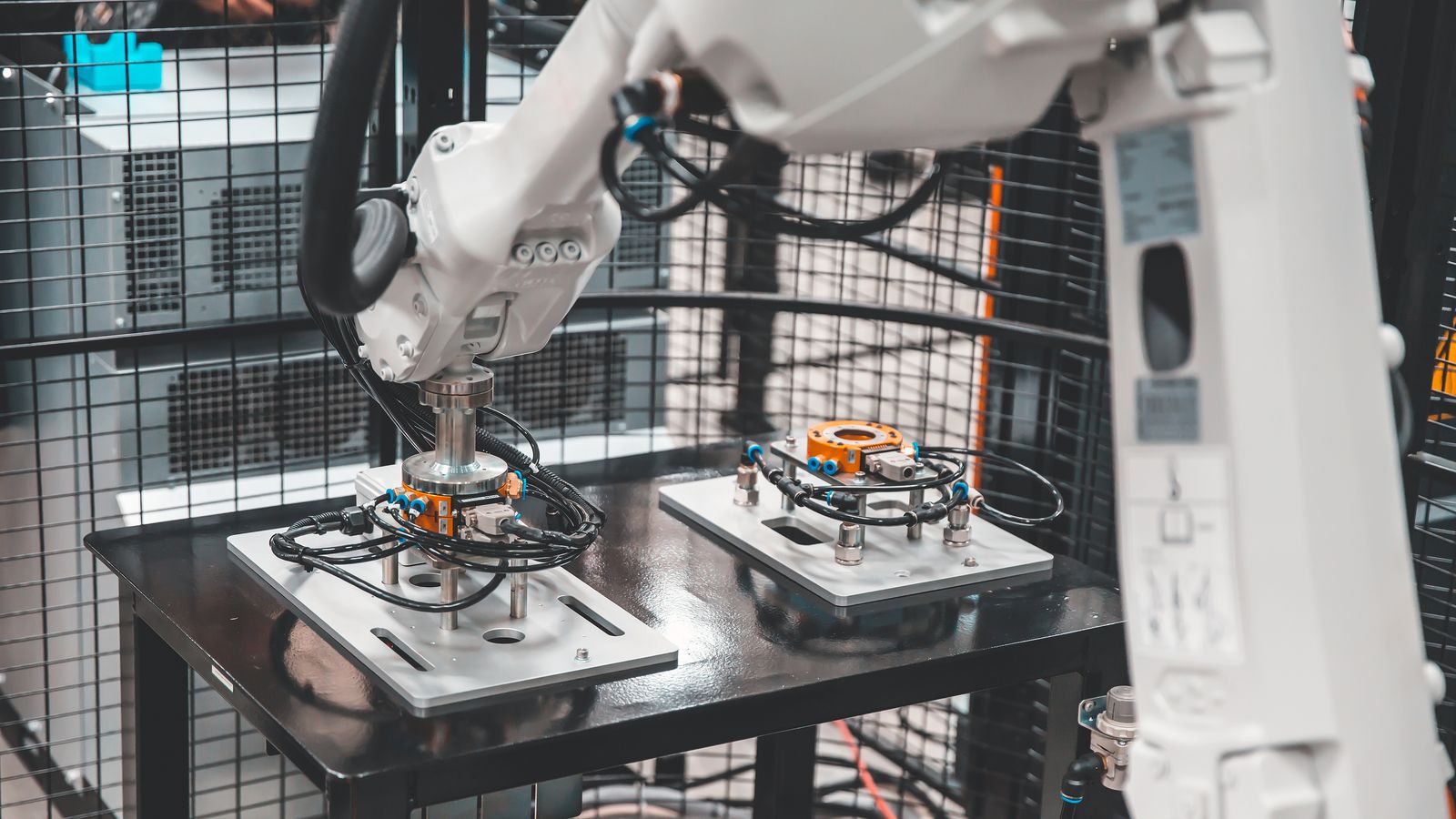
With direct access to our engineering team, we work with you from concept to production to delivery.
Speak to an EngineerThe Rubadue Advantage in Litz Wire
Rubadue Wire stands out as the premier choice for Litz wire solutions because we directly control the production pipeline in-house and can customize our products for high-frequency and high-power applications. Our services include rapid prototyping, flexible minimum order quantities, and full engineering support across automotive, aerospace, military, and medical sectors.
Our reputation is built on decades of exceptional product quality, with zero field failures to date. Many customers turn to us after experiencing quality problems with other suppliers.
Our wire insulations include the highest quality fluoropolymers produced by Chemours, which have excellent dielectric strength and low dielectric constants, making them ideal for high voltage applications where partial discharge is a concern.
Resources

Skin Effect and Proximity Effect Losses in Litz Wires
Understand the impact of skin effect and proximity effect on Litz wire performance and how to minimize these losses.
A Brief Explanation of Litz Diameters and Tolerances
Understand the key factors affecting Litz wire diameters and tolerances, and how to specify them correctly.
Litz Wire 101: When is a textile serve appropriate for your application?
Learn about textile serves in Litz wires, their benefits for mechanical protection, and key considerations for choosing the right serve for your application.
Frequently Asked Questions
Solid conductor wires can work well for lower-frequency AC applications. But when your operating frequency gets high enough that the skin depth becomes smaller than your conductor radius (usually at tens of kilohertz and higher), resistance losses increase dramatically. This is when Litz wire becomes the better option. Litz wire decreases AC losses by maintaining more of the conductor's cross-section in active current-carrying duty, which means less energy is converted to heat under the same current load. If you notice high operating temperatures, poor efficiency, or hot spots in your windings, Litz wire is worth considering.